

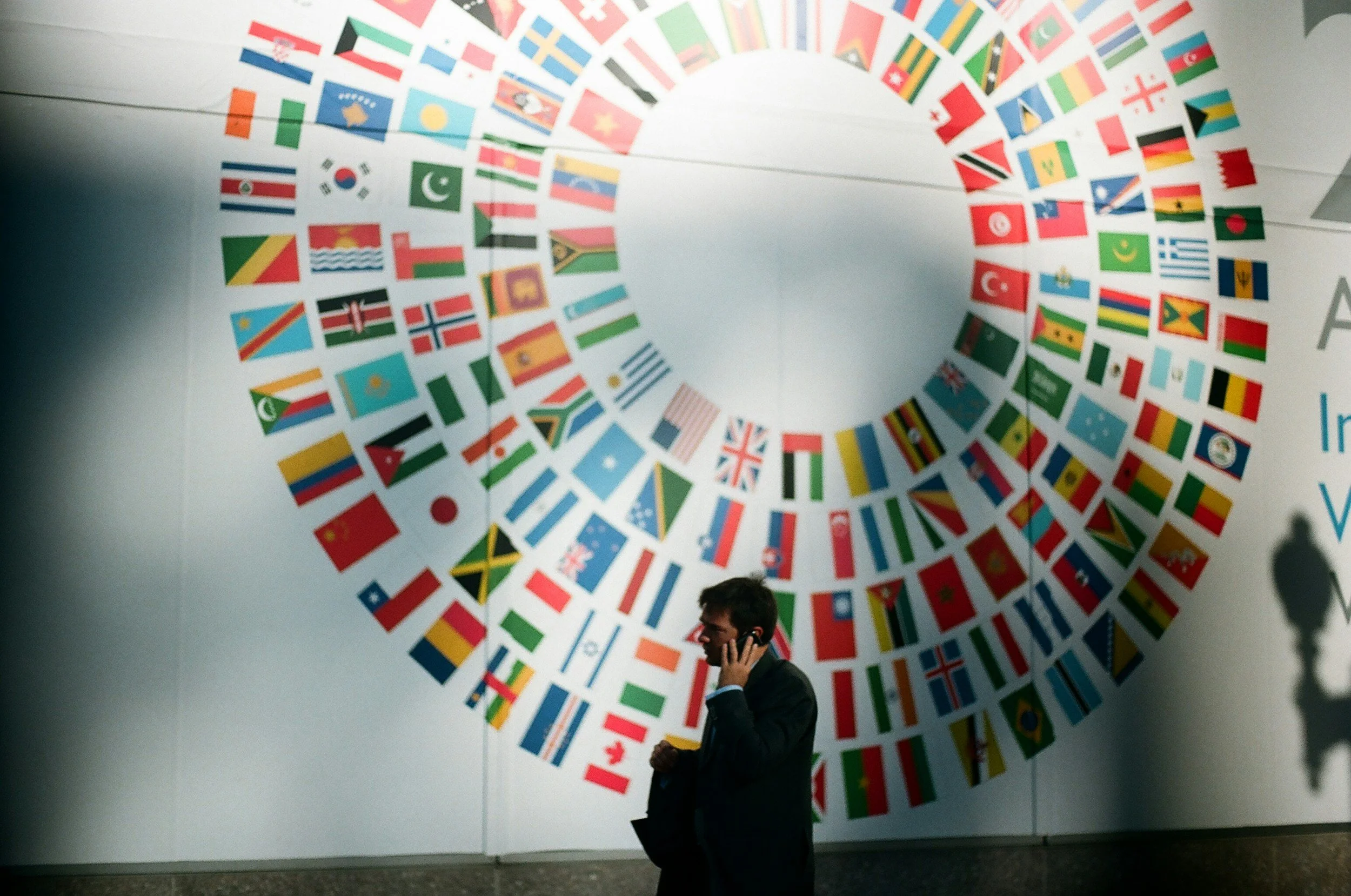
From Laporte to Bazoer: The Legal Engineering and True FIFA Rules Behind Switching National Teams.
Football’s global appeal rests on the promise that anyone can represent their roots, but the 2026 World Cup has proven that changing your national team depends entirely on a complex legal puzzle.
The growing debate surrounding players switching allegiances raises fascinating questions about the real rules behind international football. From the old precedent of Aymeric Laporte to the immediate and new cases of Aaron Wan-Bissaka and Richely Bazoer, the reality behind these sports nationalities is far more strict and calculated than the media suggests.
This article examines the most curious and surprising eligibility cases of the 2026 World Cup and breaks down exactly how FIFA's current regulations, age limits, and exceptions really work behind the scenes.
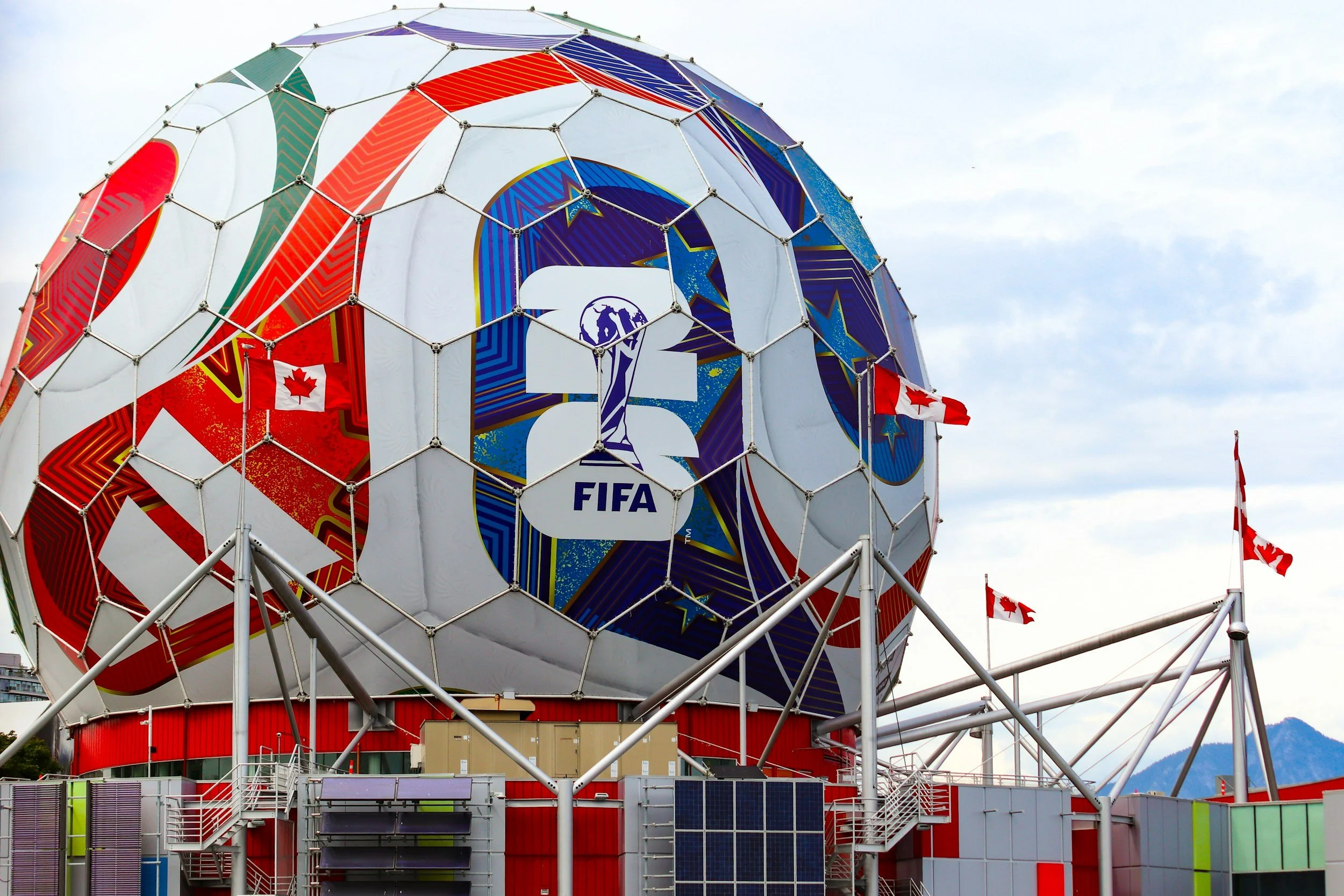
Football Unites the World"... (Subject to Visa Approval by the White House)
Football's global appeal rests on the promise that sport can transcend politics, connect cultures and guarantee equal opportunities for participation in international competition.
The growing controversy surrounding visa restrictions for the FIFA World Cup 2026 raises fundamental questions about competitive integrity, freedom of movement, human rights in sport and FIFA's regulatory responsibilities under international sports law and the principles of Lex Sportiva.
This article examines whether FIFA's commitment to non-discrimination, sports governance and equal access can remain credible when geopolitical decisions directly influence participation, competitive fairness and the legitimacy of the world's most important sporting event.